More than 4 in 10 people in their 60s are underprepared for retirement and rely heavily on homes and savings rather than steady pension income

Nearly half of people living alone in Korea have few confidants and rarely meet others, revealing a significant gap in their social preparation for old age, a report showed Tuesday.
Among single-person households, 46.2 percent were classified as having “low-intimacy” relationships, meaning they had few people with whom they could share personal feelings, rarely met others and reported low satisfaction with their social connections.
The figure was 18.4 percentage points higher than the 27.8 percent recorded among people living with family or others.
Only 27.2 percent of those living alone belonged to the “close-knit” group, characterized by frequent interaction and deep personal bonds. The corresponding figure among members of multiperson households was 41.5 percent.
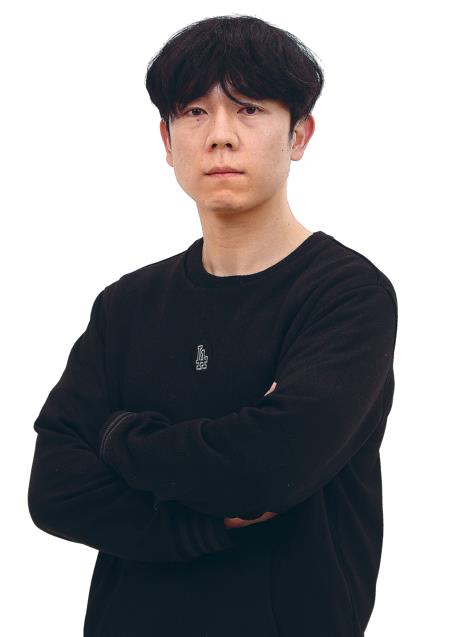
The findings were presented in a report by Hwang Nam-hee, a senior research fellow at the Korea Institute for Health and Social Affairs, published in the September issue of the institute’s monthly journal, Health and Welfare Forum.
Hwang analyzed data from the 2024 National Survey on Retirement Preparation, which covered 3,040 adults aged 30 to 69 nationwide.
Across all household types, 30.6 percent of respondents were classified as having low-intimacy relationships.
The report also identified financial vulnerabilities, particularly among people approaching retirement. Only 35.8 percent were classified as relying primarily on public retirement assets that provide regular income, such as National Pension benefits.
The remaining 64.2 percent depended more heavily on private assets, including savings and housing.
Among respondents in their 60s, 41.1 percent were both inadequately prepared for retirement and highly dependent on private assets.
The findings suggest that national averages may obscure significant disparities. Although Korea’s average retirement preparation score has risen to nearly 70 out of 100, weaknesses become more pronounced when the data are broken down by household type, age and region.
The narrowing retirement-readiness gap between education levels over the past five years also did not result solely from improvements among less-educated groups.
It partly reflected a decline in scores among people with university degrees or higher, who previously recorded the strongest results.
Meanwhile, the gap between major cities and rural communities widened over the same period.
Hwang said policies focused solely on raising the national average would be insufficient and called for targeted support tailored to vulnerable groups.
The report recommended expanding mental health services and opportunities to build social connections for single-person households.
It also proposed linking financially vulnerable people in their 60s with reverse mortgage programs and expanding employment support to help them earn income after retirement.
minsikyoon@heraldcorp.com